In short
- Fully step-free ground with zero gradients across the main site.
- Wide gravel and dirt paths accommodate mobility devices.
- Bus stops are located directly outside the entrance.
In this article
- How accessible are the main ruins?
- Are there steps or stairs to climb?
- What is the best way to arrive with a wheelchair?
- Can wheelchair users access the underground areas?
- What should I pack for an accessible visit?
- Does the virtual reality headset work for seated visitors?
- How does Caracalla compare to other ancient sites?
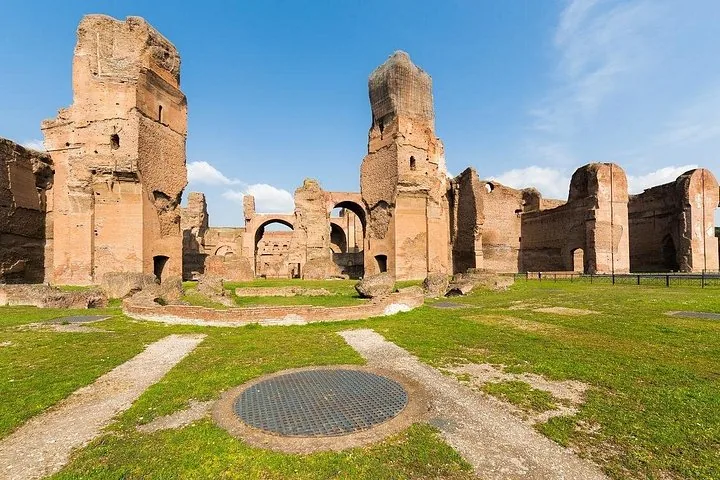
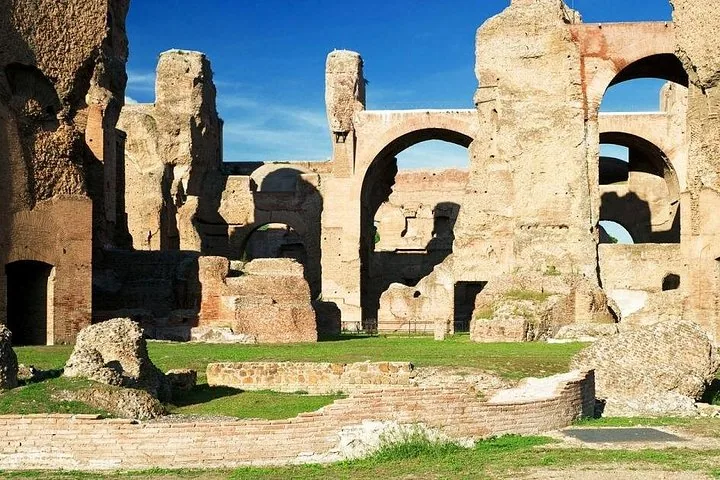
The massive 11-hectare complex offers wide, open spaces. Visitors with reduced mobility will find the site far easier to tour than Rome's more crowded ancient landmarks. You can explore the towering 30-meter ruins without navigating steep inclines or stairs.
How accessible are the main ruins?
The entire main archaeological area features flat terrain with no ground gradients.
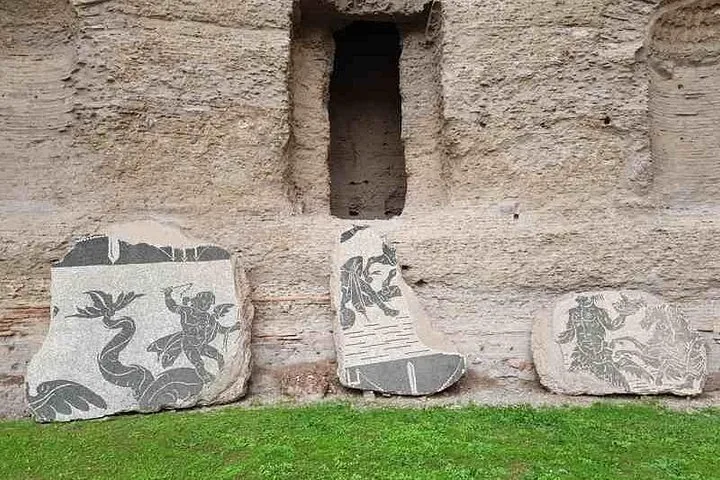
Wheelchair and stroller users can move freely around the Frigidarium, Caldarium, and Natatio. The paths consist of compacted dirt and gravel, which provide a stable surface for wheels. You have ample space to view the massive 30-meter high walls and mosaic remnants.
Are there steps or stairs to climb?
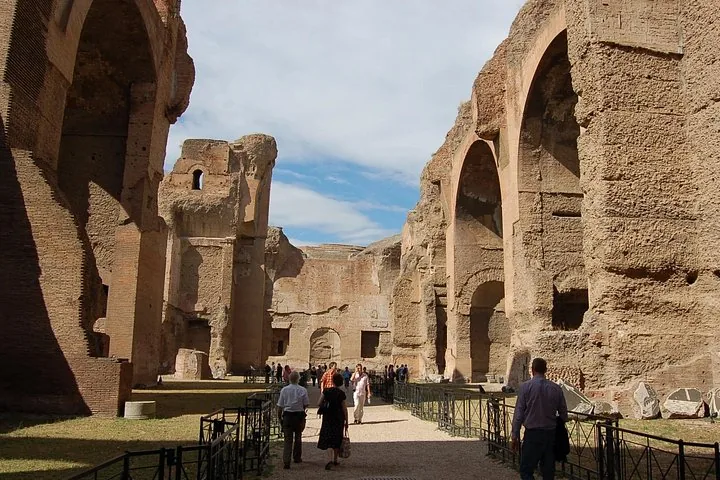
You will not encounter any stairs or steps on the main outdoor route.
The Romans built the complex on an artificially leveled platform. Today, this layout benefits visitors using mobility devices. The ground remains even throughout the primary thermal baths complex and the surrounding gardens.
What is the best way to arrive with a wheelchair?
Bus lines 118, 160, and 628 drop you directly at the Terme Caracalla / Porta Capena entrance.
Taking the bus minimizes your travel distance to the ticket gate. Alternatively, you can take Metro Line B to the Circo Massimo station. The 10-minute walk from the station to the baths is flat and well signposted toward 'Terme di Caracalla'.
Can wheelchair users access the underground areas?
Access to the subterranean galleries may be limited or require special exhibition tickets.
These deep underground tunnels once housed the heating ovens and a temple to the god Mithras. Ask the staff at the ticket desk upon arrival about current accessibility for these specific subterranean sections.

What should I pack for an accessible visit?
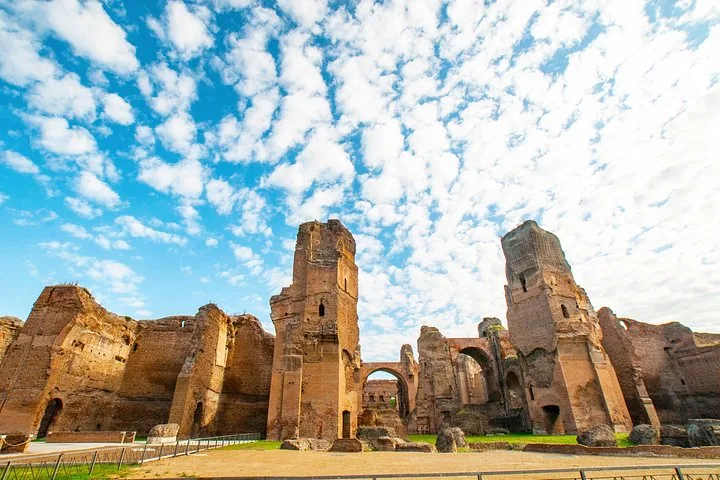
Bring sun protection and water, as the site is completely outdoors.
The archaeological area lacks shade. Carry a hat, sunscreen, and a reusable water bottle that you can refill at local fountains. Leave large bags and bulky backpacks at your hotel, as security rules do not permit them inside.
Does the virtual reality headset work for seated visitors?
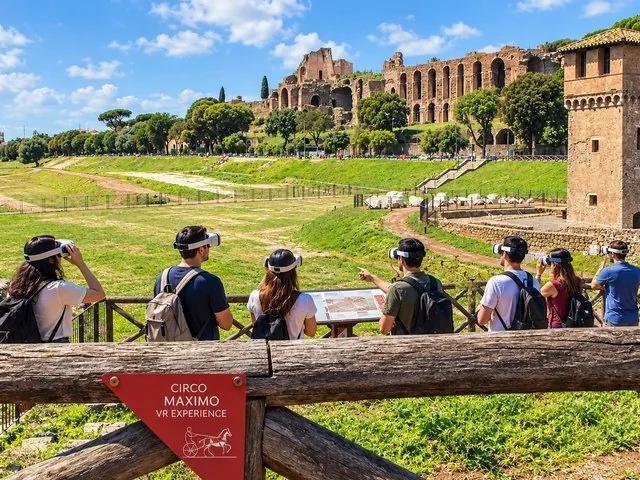
Yes, the immersive VR goggles can be used from a seated position.
The 'Caracalla IV Dimension' virtual reality headsets reconstruct the baths in 3D. You can view the original marbles and statues by simply moving your head. It does not require walking to activate the digital environment.
How does Caracalla compare to other ancient sites?
The Baths of Caracalla offer wide paths and fewer crowds than landmarks like the Colosseum.
The site sees around 500,000 visitors annually. This gives you plenty of space to maneuver a wheelchair or stroller without fighting through dense tour groups.
Questions travellers ask
Do I need to book accessible tickets in advance?
You can buy tickets on-site at the totems or online via the Musei Italiani portal. Standard adult entry is from €8. Temporary art exhibitions can raise the ticket price to €13.
Are strollers allowed inside the Baths of Caracalla?
Yes, strollers are fully permitted. The flat terrain and lack of ground gradients make pushing a stroller easy across the entire 11-hectare archaeological area.
Where is the closest accessible transport?
Buses 118, 160, and 628 stop right outside the site. The Circo Massimo metro station on Line B is a 10-minute flat walk away.